 0
0
 0
0
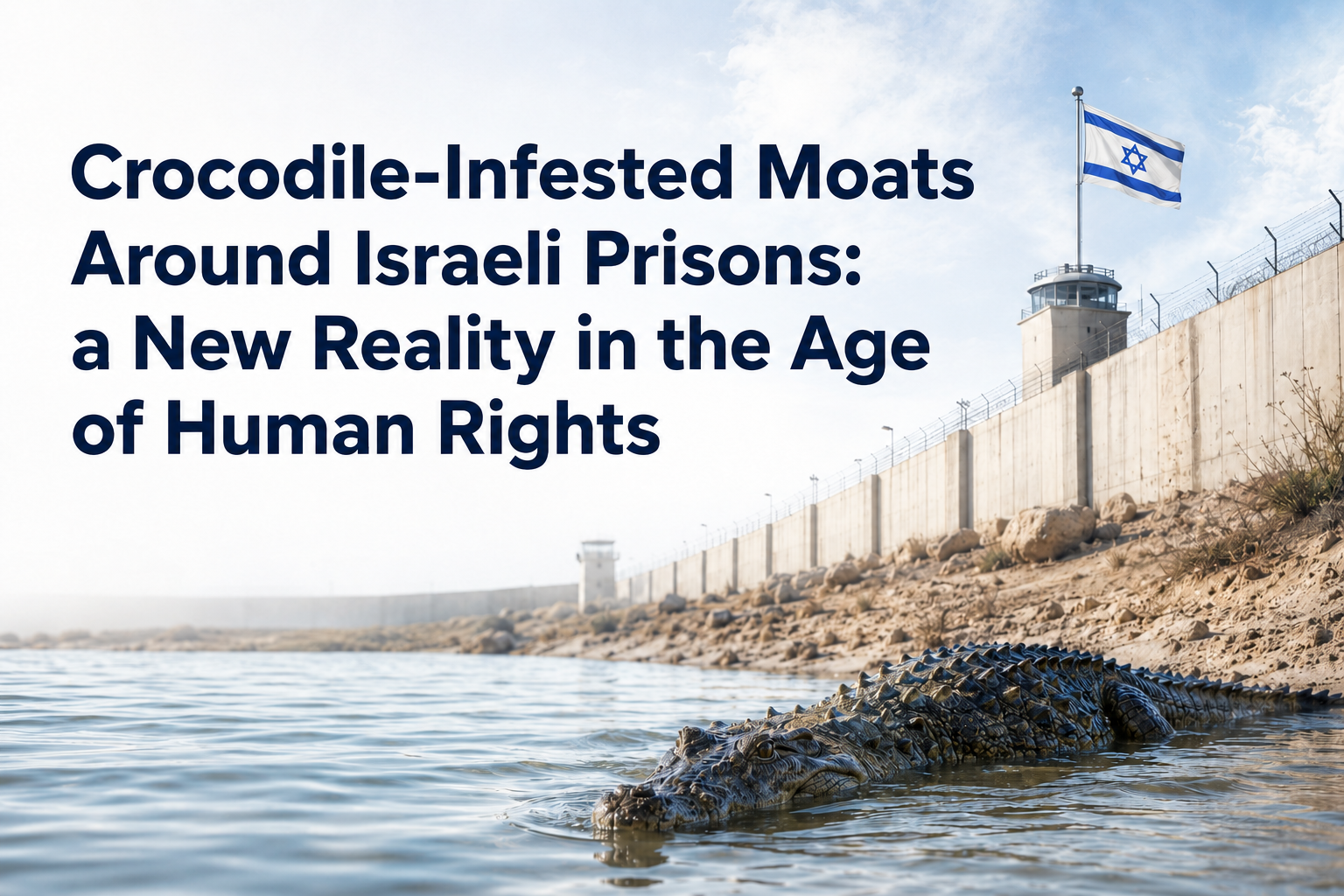
In late July 2026, several respected outlets — from The Jerusalem Post and The Times of Israel to Middle East Eye and DAWN — independently confirmed a story that initially sounds like something from a satirical publication: Israel has taken another legal step toward implementing National Security Minister Itamar Ben-Gvir’s plan to surround prisons holding Palestinian detainees with moats filled with Nile crocodiles.
Environmental Protection Minister Idit Silman signed an order reclassifying the Nile crocodile from a “protected wild species” to a status of “specially controlled wild animal” (in other translations, “cultivated” or “managed” wild animal). Previously, the law only permitted keeping crocodiles in licensed zoos; the new classification opens the way for the Israel Prison Service to keep these animals on the grounds of penitentiary facilities.
Ben-Gvir first presented the plan in late 2025, calling it “Alligator Alcatraz” — a reference to the well-known facility in Florida built by the Trump administration amid the Everglades wetlands. The idea is to surround a prison (Ktzi’ot Prison is being considered as the pilot site) with moats containing crocodiles transported from the Hamat Gader zoo, in order to make escape more difficult for Palestinian prisoners, including Hamas militants. According to Israeli authorities’ estimates, this could simultaneously strengthen security and cut its costs: a young crocodile costs approximately $8,000, while an adult can cost up to $20,000.
However, the decision has met resistance within Israel’s own bureaucracy. Legal advisers to the Ministry of Environmental Protection and the Israel Nature and Parks Authority opposed it, arguing that the proposal lacks professional justification, has no modern precedent, and may conflict with existing wildlife protection legislation. Representatives of the Nature Authority reportedly told ministers: “We are supposed to protect them, not make them protect us — that is not the spirit of the law.” Despite this, Minister Silman approved the decision, effectively reviving a long-dormant provision of the wildlife protection law.
Human rights organizations and a number of outlets (including Middle East Eye and Palestine Chronicle) frame the initiative as part of a broader campaign of harsh treatment toward Palestinian prisoners, drawing a parallel with the controversial U.S. detention center for undocumented migrants called “Alligator Alcatraz” in Florida, which has repeatedly been criticized by human rights organizations for human rights violations.
As of now, the Israel Prison Service has issued no official comment regarding the specific location or timeline for implementing the project.
References
Dawn. (2026, July 17). Israeli media says crocodile-filled moats could surround prisons holding Palestinians. DAWN.COM. https://www.dawn.com/news/2016187
Israel National News. (2026, July 16). Move toward allowing crocodiles to be stationed outside security prisons. Arutz Sheva. https://www.israelnationalnews.com/news/430295
Jerusalem Post. (2026, July 17). Israel changes crocodiles legal status in push for Ben-Gvir’s ‘crocodile prison’. The Jerusalem Post. https://www.jpost.com/israel-news/politics-and-diplomacy/article-902827
Middle East Eye. (2026, July 17). Israel advances crocodile plan to stop Palestinian prisoners escaping. Middle East Eye. https://www.middleeasteye.net/news/israel-advances-crocodile-prison-plan-palestinian-prisoners
Times of Israel. (2026, July 17). Israel reclassifies Nile crocodiles to help advance Ben Gvir’s ‘Alligator Alcatraz’. The Times of Israel. https://www.timesofisrael.com/liveblog_entry/israel-reclassifies-nile-crocodiles-to-help-advance-ben-gvirs-alligator-alcatraz/


