
 1
1
 0
0
At the end of 2010, a unique phenomenon emerged in Venezuela: the Pranato System, designed to regulate the situation that the state was trying to contain. At that time, dozens of people died in prisons every year during outbreaks of violence. To reduce this figure, the Venezuelan government made deals with prison gang leaders.
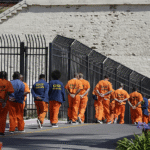
The practice of granting power to pranas in exchange for help in controlling prisons in Venezuela began to emerge after 2007. The pranato system was created in response to a humiliating uprising in Venezuela’s prison system, which was already known for its brutality and chaos. In May 2011, a 26-year-old pranato held about 4,000 security forces for 27 days in the Rodeo prison in Miranda state, just 40 kilometers east of Caracas, in what became a media circus. Then-President Hugo Chávez created the Ministry of Penitentiary Services with orders to ensure that such events would never embarrass him again.
This is how the Pranato System was implemented. For many years, the tacit agreement between the state authorities and the pranes was that the state allowed and even protected the existence of criminal structures in prisons in exchange for “order” in the prisons.
After the decision to transfer the management of prisons to the hands of prisoners, the pranes expanded their activities far beyond the prison walls. The most successful of the prison gangs was the Tren de Aragua gang, which has evolved into a transnational criminal group operating in Colombia, Chile, and Peru, using migration routes and exploiting Venezuelan migrants.



[…] system, established during the reign of Hugo Chavez, emerged in response to a series of confrontations […]