 0
0
 0
0
The Council of Europe’s Committee for the Prevention of Torture and Inhuman or Degrading Treatment or Punishment (CPT) published today the response of the Ukrainian authorities to the report on the Committee’s October 2023 periodic visit to Ukraine. The CPT report was published on 26 April 2024.
October 2023 marked the first visit to Ukraine by the CPT since the beginning of the full-scale military aggression by the Russian Federation in February 2022. As stated at the time of the publication of the visit report in April 2024, the Committee acknowledges the considerable efforts of the Ukrainian authorities to provide adequate conditions to persons deprived of their liberty in these extremely difficult times.
The main objective of the visit was to examine the treatment and safeguards afforded to persons deprived of their liberty by the police and to look into the situation of persons held in prison establishments, including life-sentenced prisoners. The CPT delegation also examined the situation of persons held in military detention facilities.
The report noted that the great majority of the interviewed persons who were being, or had recently been, held in police custody indicated that the police had treated them correctly. The Committee takes note of this positive finding, illustrating the results of efforts deployed by the Ukrainian authorities in recent years to improve the treatment of persons detained by the police. Nevertheless, the delegation did receive some allegations of physical ill-treatment by the police, and the report highlights that the authorities should remain vigilant and pursue their policy of “zero tolerance” of police ill-treatment.
As regards the military detention facilities (hauptvakhtas) visited, no allegations of ill-treatment of detained military servicemen by staff were received. Material conditions of detention in these establishments were on the whole acceptable. However, it is of particular concern that there were no organised activities for servicemen on remand, who were obliged to spend 23 hours per day inside their cells, often for long periods, for months and sometimes even years.
Whilst welcoming the continued efforts made by the Ukrainian authorities over the past 25 years to reduce the country’s prison population, the report noted that the proportion of remand prisoners remained high and that many remand prisoners continued to be held in overcrowded conditions for prolonged periods of time. Further, the long-standing phenomenon of informal prisoner hierarchy was still prevalent throughout the prison system and those who found themselves at the bottom of this hierarchy were often exposed to a risk of violence, intimidation and exploitation by other prisoners.
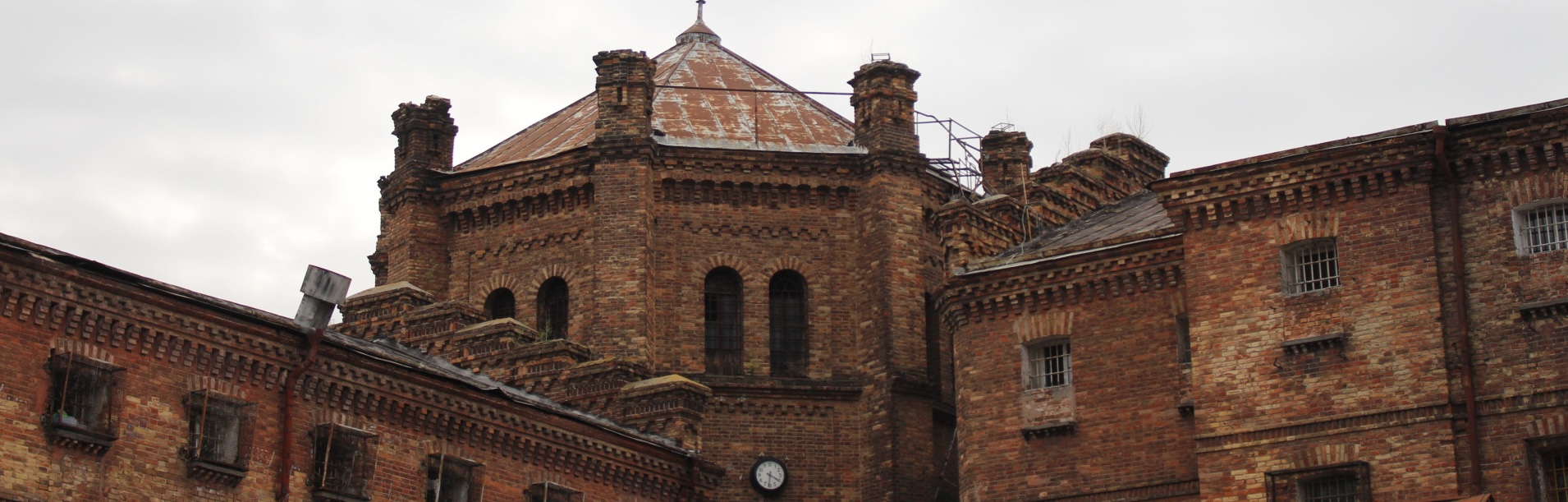
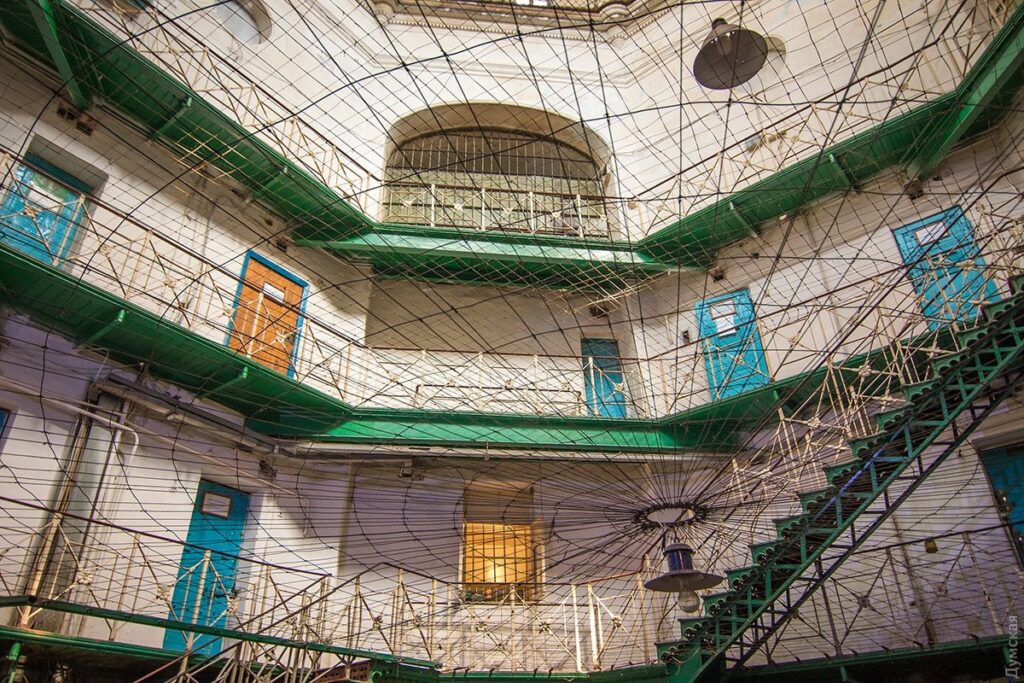
Most of the prisons visited were located in old buildings which had not seen any major refurbishment for many years and the bulk of the prisoner accommodation in these establishments was in a poor state of repair. The situation was particularly precarious at Odesa Pre-Trial Detention Facility (SIZO), where the conditions of detention of the vast majority of prisoners could be considered as inhuman and degrading. Whilst fully acknowledging the challenges posed by the ongoing war, the report stressed that even during armed conflicts the fundamental rights of detained persons – including their right to be held in decent conditions – must be guaranteed.
In their response, the Ukrainian authorities refer to ongoing repairs in the establishments visited and to a project initiating the construction of a new remand prison in Lviv. The response of the Ukrainian authorities also outlines other measures taken or envisaged in order to implement the recommendations contained in the report.
The response has been made public under an automatic publication procedure introduced by the Ukrainian authorities.
To paragraphs 42-46 (counteracting negative impact of criminal subculture)
To counteract negative impact of criminal subculture and informal prison hierarchy, the SCES implemented a pilot project to organize supervision of convicts and to ensure law and order (based on the experience of various European countries) in the institutions of the Western regions (Zbarazhska сorrectional colony No. 63, Kolomyia сorrectional colony No. 41, Polytska сorrectional colony No. 76), Southeastern interregional institutions (Solonyanska сorrectional colony No. 21), Central regions (Bila Tserkva сorrectional colony No. 35), and Southern regions (Odesa сorrectional colony No. 14 and Kropyvnytskyi сorrectional colony No. 6).
The aim of the project is to improve work on the criminogenic needs of convicts, in particular, in providing psychological support, assistance in overcoming addictions, engaging in useful employment, improving educational level and professional skills, addressing social and domestic issues in preparation for release, building positive relationships between staff and convicts that promote security and control, improving the flow of information from convicts to staff, and ending the negative practice of delegation of authority by the administration of institutions.
The project was successfully introduced and implemented on the basis of the SIs Bozhkovska сorrectional colony No. 16 and Litynska сorrectional colony No. 123.
To combat organized crime the communication with the specialized units of the NP and the SSU is maintained. For 8 months of 2024, 16 cases of criminal offenses under Articles 255, 255-1, 255-2 of the CC were documented in penitentiary establishment and pre-trial detention institutions (32 in 2023).
In order to effectively counteract the establishment and spread of criminal influence the sectors were created to hold persons with the status of a subject of high criminal influence, including the status of “thief in law”. Currently, such sectors are equipped in the SIs Zamkova сorrectional colony No. 58 with 14 places and Vilnyanska penitentiary establishment No. 11 with 10 places, where three of such convicts are serving their sentences.
The SCES launched a pilot project on step-by-step to eradicate criminal subculture in Starobabanivska сorrectional colony No. 92. The aim of the project is to create equal conditions for all convicts to serve their sentences and to prevent informal hierarchy among convicts.





Average Rating